January 14, 2026
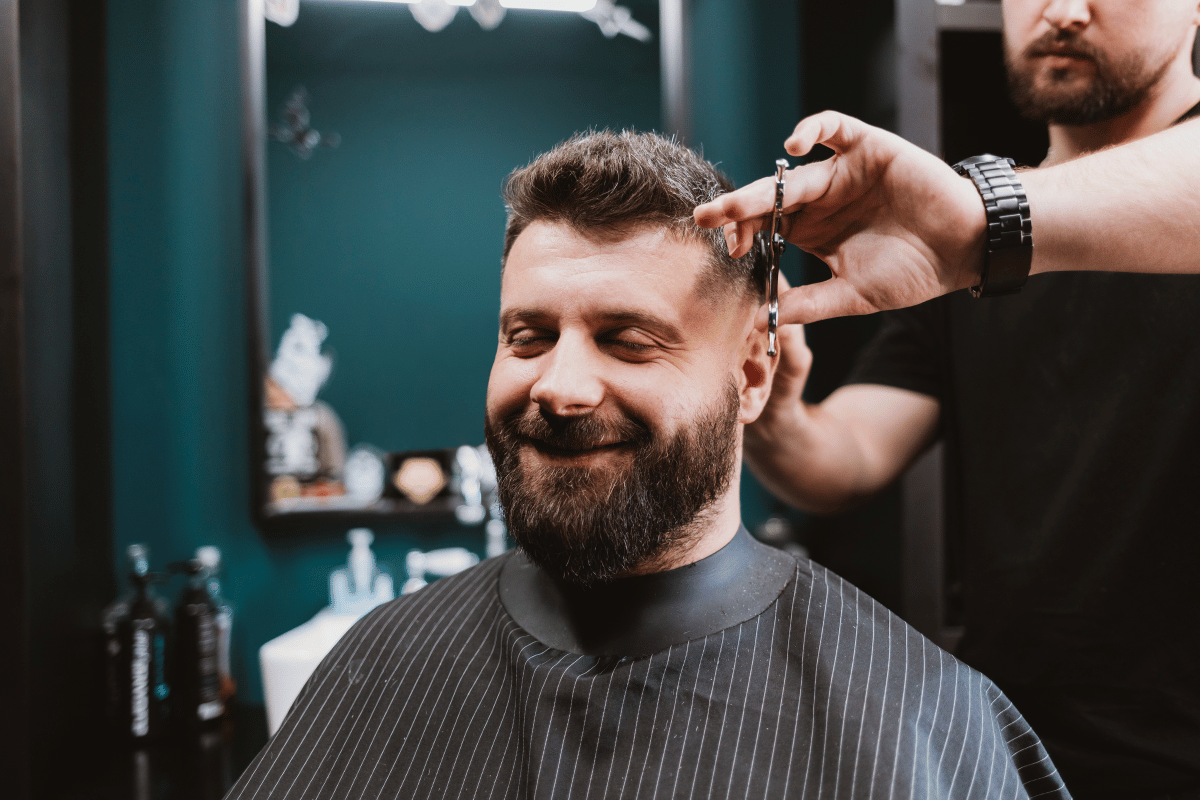
The quiff is one of the most enduring hairstyles in men’s grooming. From the rock ‘n’ roll rebels of the 1950s to modern icons like David Beckham, the quiff balances a relaxed attitude with refined style. Unlike the rigid pompadour or the military-standard crew cut, a quiff is versatile. It can be messy, structured, matte, or shiny.
However, simply saying, “I want a quiff,” often leads to bad haircuts. With dozens of variations from skin fades to classic tapers knowing exactly what suits your face shape and hair type is critical. For expert guidance and professional haircuts, check out the services at Stylish Barber Shop.
This guide covers everything you need to know about the quiff: the best styles, how to talk to your barber, and the exact steps to style it at home.
What Is a Quiff Haircut? (And How It’s Different From a Pompadour)
A quiff is defined by having shorter hair on the back and sides with significantly longer hair on top. The defining feature is the forelock (the hair right above your forehead), which is brushed upward and backward away from the face to create volume and height.
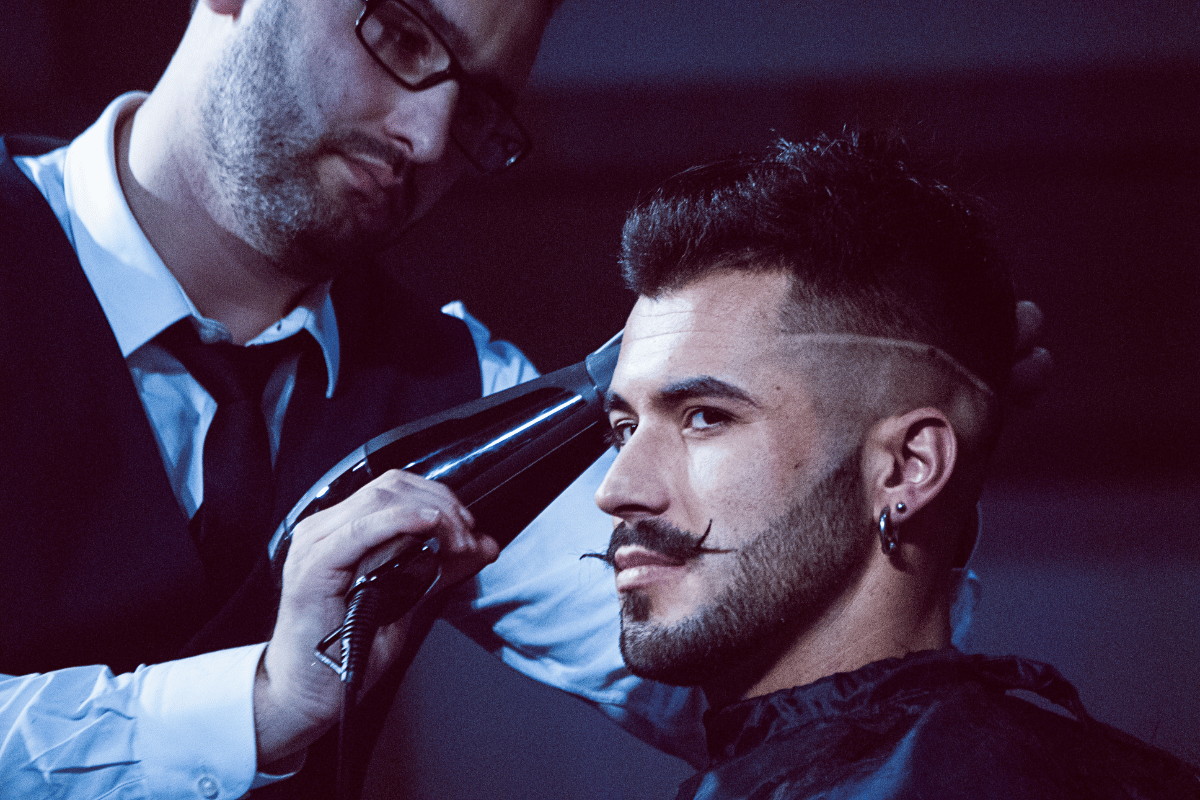
While it shares DNA with the pompadour, they are not the same:
- The Pompadour: Is sleeker, neater, and requires volume across the entire head. The hair is usually brushed back in a uniform, smooth shape.
- The Quiff: Is more casual and textured. The volume is concentrated at the front (the forelock), while the rest of the hair on top is often flatter or messier.
The Quiff vs. Pompadour vs. Side Part
- Quiff: High volume at the front, casual finish.
- Pompadour: High volume all over, polished/shiny finish.
- Side Part: Defined part line, hair combed to the side, lower volume.
Quick Quiff Checklist (Will It Suit You?)
The quiff is universally flattering because it adds vertical height to the face, but it requires some commitment.
Who it’s great for: Men with round or square faces who need elongation; men with thick or wavy hair.
When it’s harder: If you have extremely fine, thinning hair (scalp visibility issues) or if you refuse to use a hair dryer.
What matters most: Your willingness to spend 5 minutes styling it in the morning.
Quiff Suitability Snapshot
| Hair Type | Face Shape | Best Quiff Variant | Best Sides Option | Difficulty |
| Straight | Oval, Square | Textured Quiff | Mid Fade | Medium |
| Wavy | Round, Heart | Messy Quiff | Low Taper | Easy |
| Curly | Oval, Oblong | Curly Quiff | Undercut/Fade | Medium |
| Fine/Thin | Diamond | Short Textured Quiff | Skin Fade | Hard |
| Thick | Any | Modern Quiff | High Fade | Easy |
How Long Does Your Hair Need to Be for a Quiff?
You cannot style a proper quiff with buzz-cut length hair. You need enough length to grab, lift, and bend backward.
- Short Quiff: Requires 2 to 3.5 inches on top. This is a subtle look, often spiked up slightly rather than swept back.
- Medium Quiff: Requires 3.5 to 5 inches. This is the “sweet spot” for most modern quiffs, allowing for good volume without the hair flopping over.
- Long Quiff: Requires 5 to 7+ inches. This provides massive volume (think Elvis or rockabilly styles) but requires significant blow-drying skills to defy gravity.
Pro Tip: If your hair is currently too short, ask your barber to trim the back and sides but leave the top alone until you hit the 3-inch mark.
12 Best Quiff Haircuts for Men (Pick by Finish + Maintenance)
1. Textured Quiff Haircut
Who it suits: Men with straight or fine hair.
Haircut: The barber uses point-cutting techniques or texturizing shears on top to create jagged, uneven lengths.
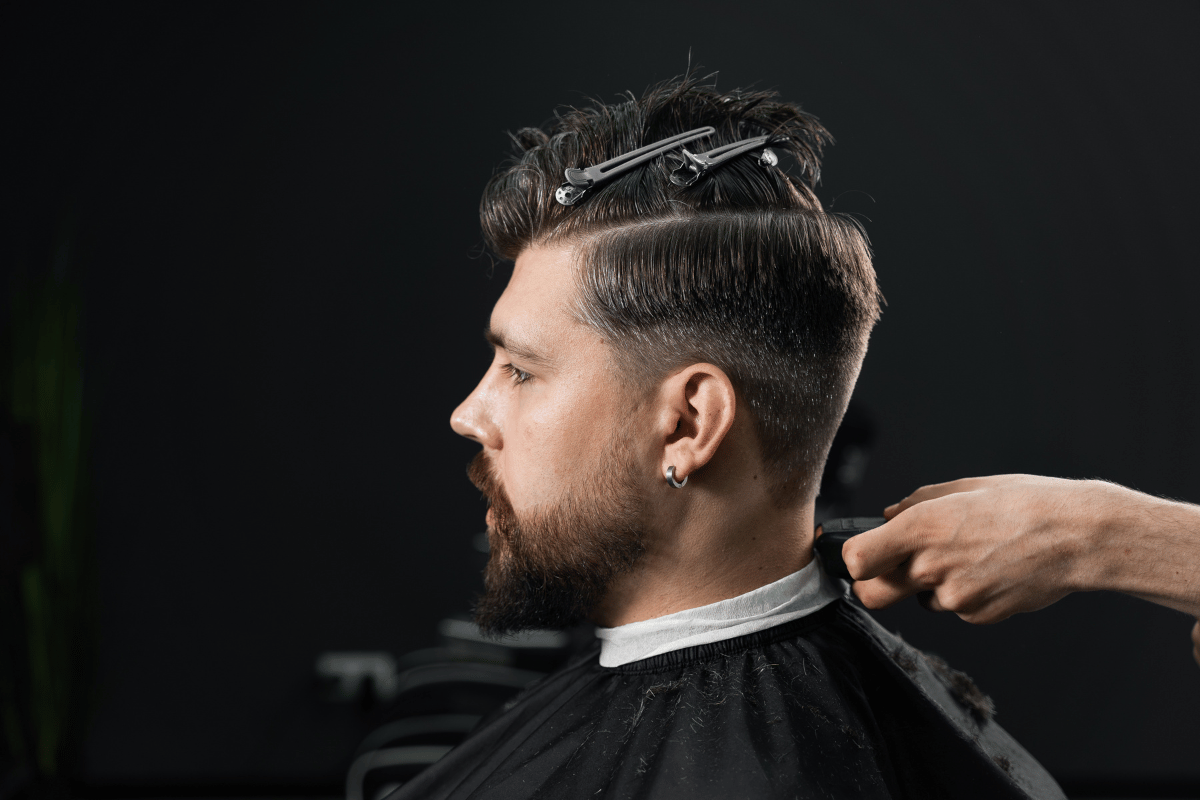
How to Style: Use a matte clay. Rub it into the roots and mess the hair up with your fingers for a gritty, dry finish.
2. Messy Quiff
Who it suits: Wavy hair types or guys who hate the “over-groomed” look.
Haircut: Similar to the textured quiff but often left slightly longer to allow for natural movement.
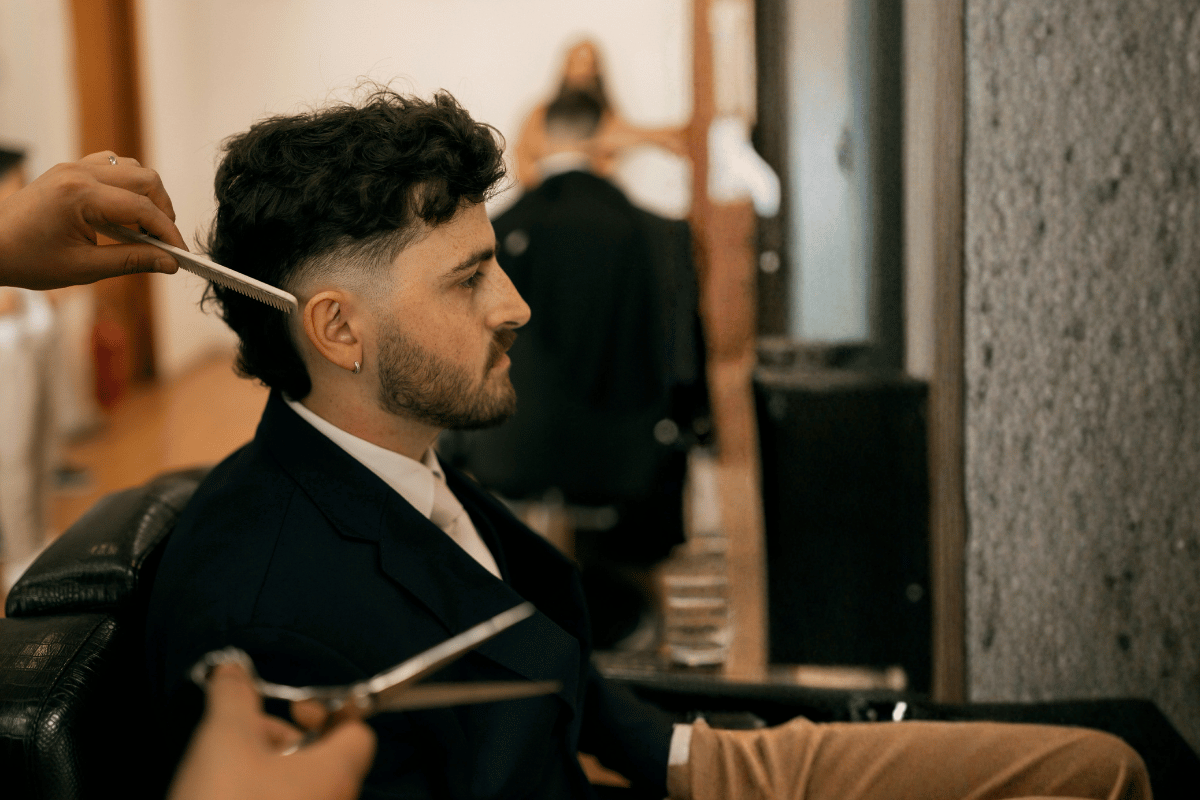
How to Style: Salt spray is your best friend here. Spray on damp hair, rough dry it, and let the strands fall naturally.
3. Short Quiff Hairstyle
Who it suits: Professionals or guys who want low maintenance.
Haircut: 2 inches on top, faded sides.
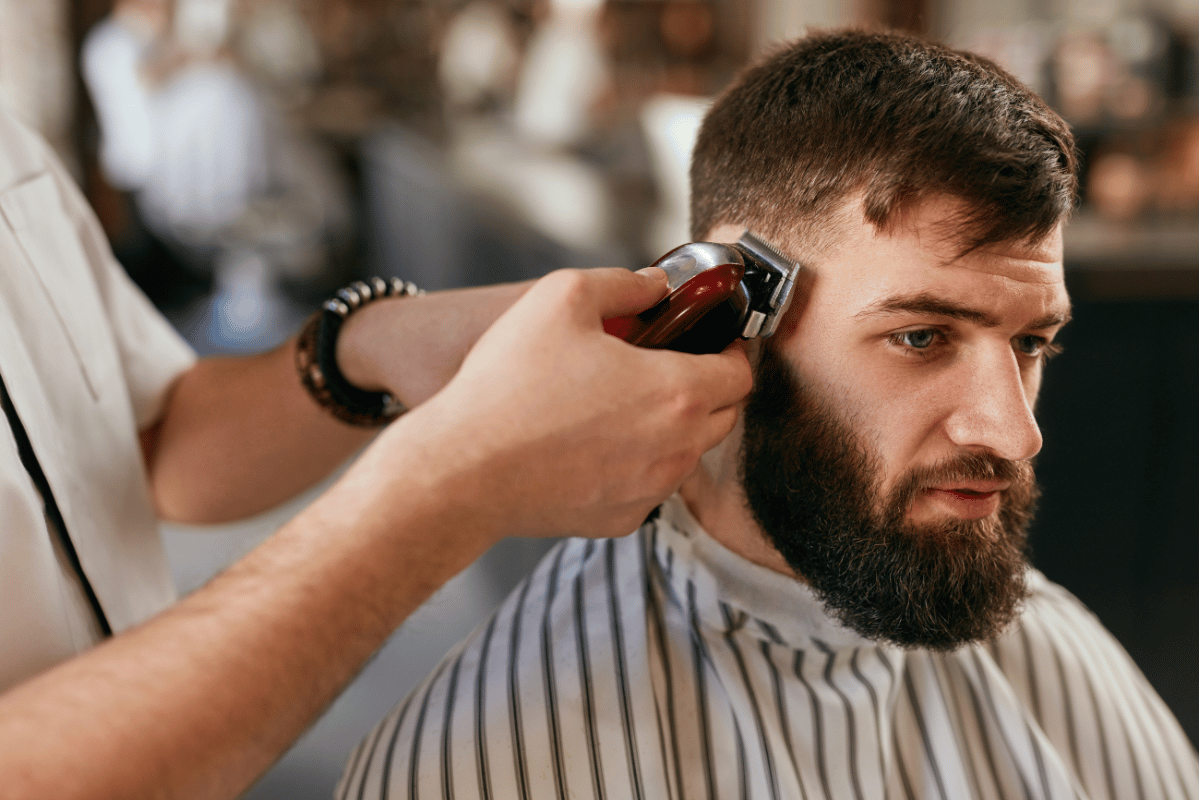
How to Style: You don’t need much blow-drying. A quick towel dry and a dab of stiff wax or paste pushed upward at the front is all it takes.
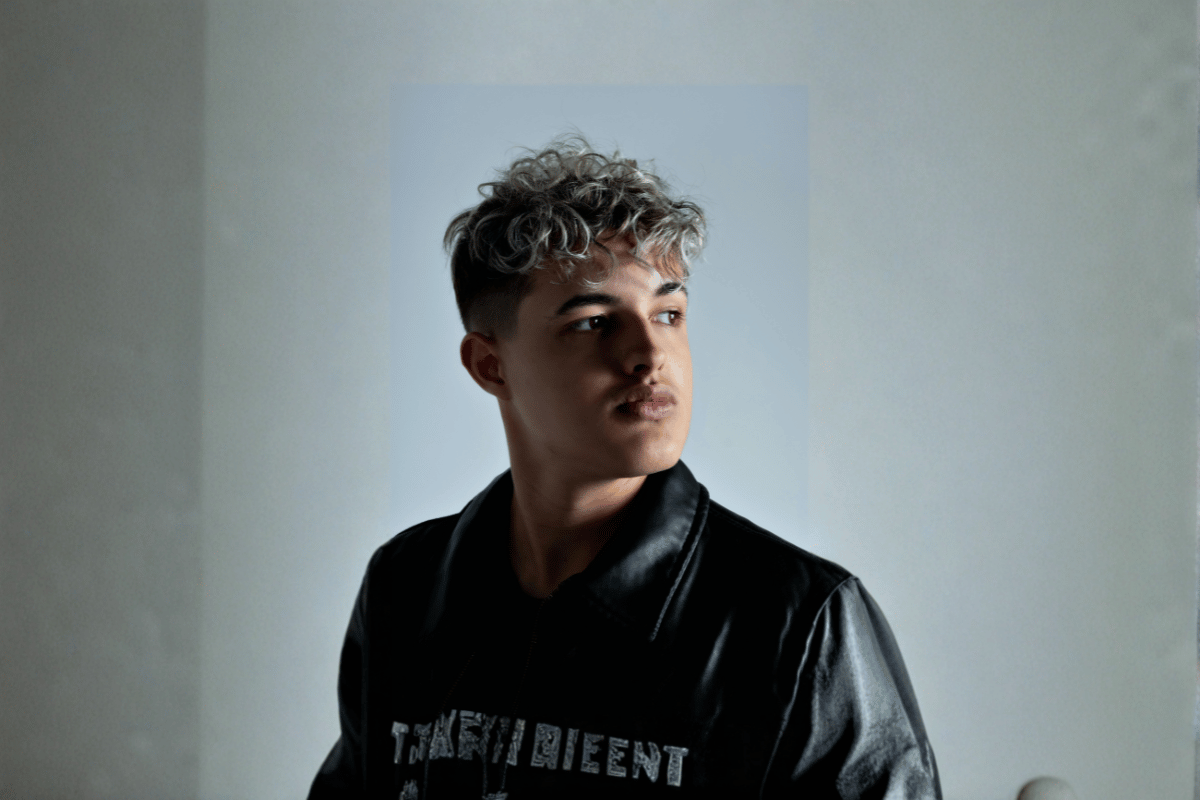
4. Curly Quiff
Who it suits: Men with natural curls (Type 3 hair).
Haircut: Short, clean sides (fade) to contrast with the curls on top. The top is left long enough for the curl to form fully.
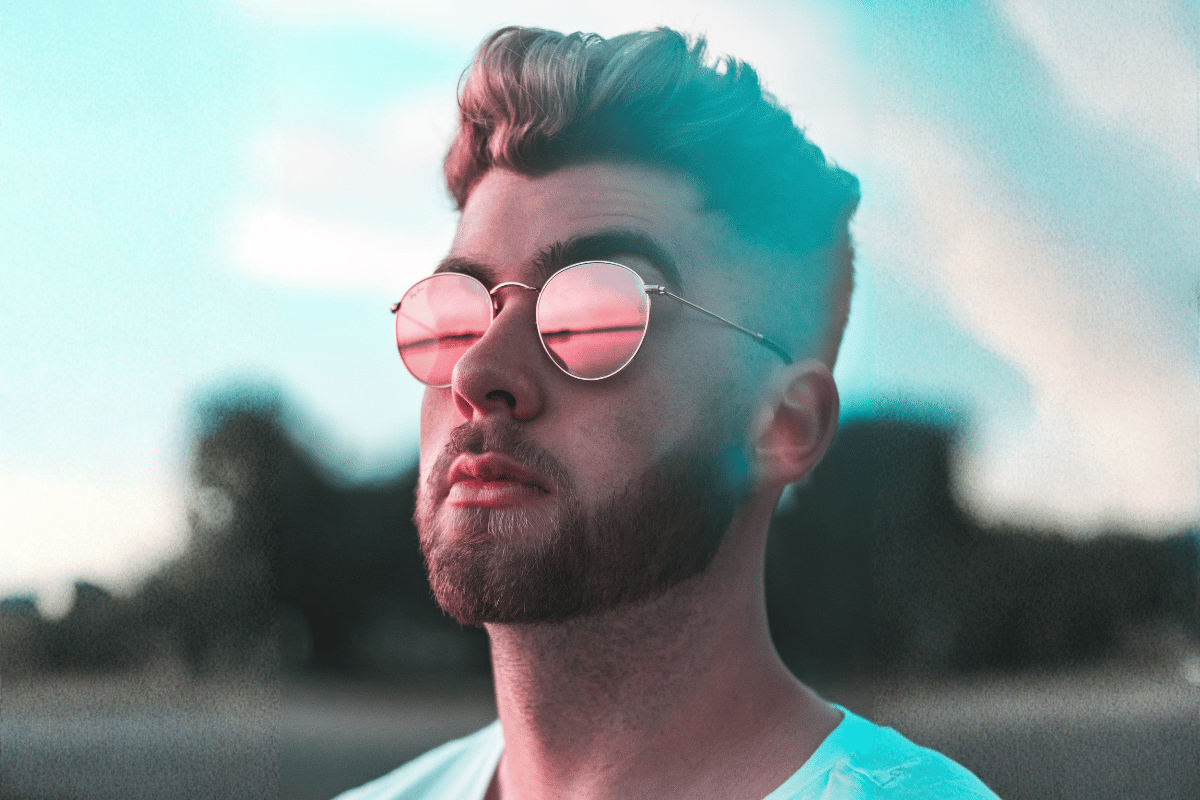
How to Style: Do not brush it. Apply a curl cream to damp hair and let it air dry or use a diffuser to maintain the curl pattern while lifting the front.
5. Wavy Quiff
Who it suits: Men with thick, wavy hair.
Haircut: A classic taper on the sides with 4 inches on top.
How to Style: Embrace the wave. Use a medium-hold paste and push the hair back, allowing the wave to form an “S” shape at the front.
6. Classic Quiff (1950s Inspired)
Who it suits: Rockabilly fans and vintage enthusiasts.
Haircut: Scissor-cut sides (no clippers) blended into a long top.
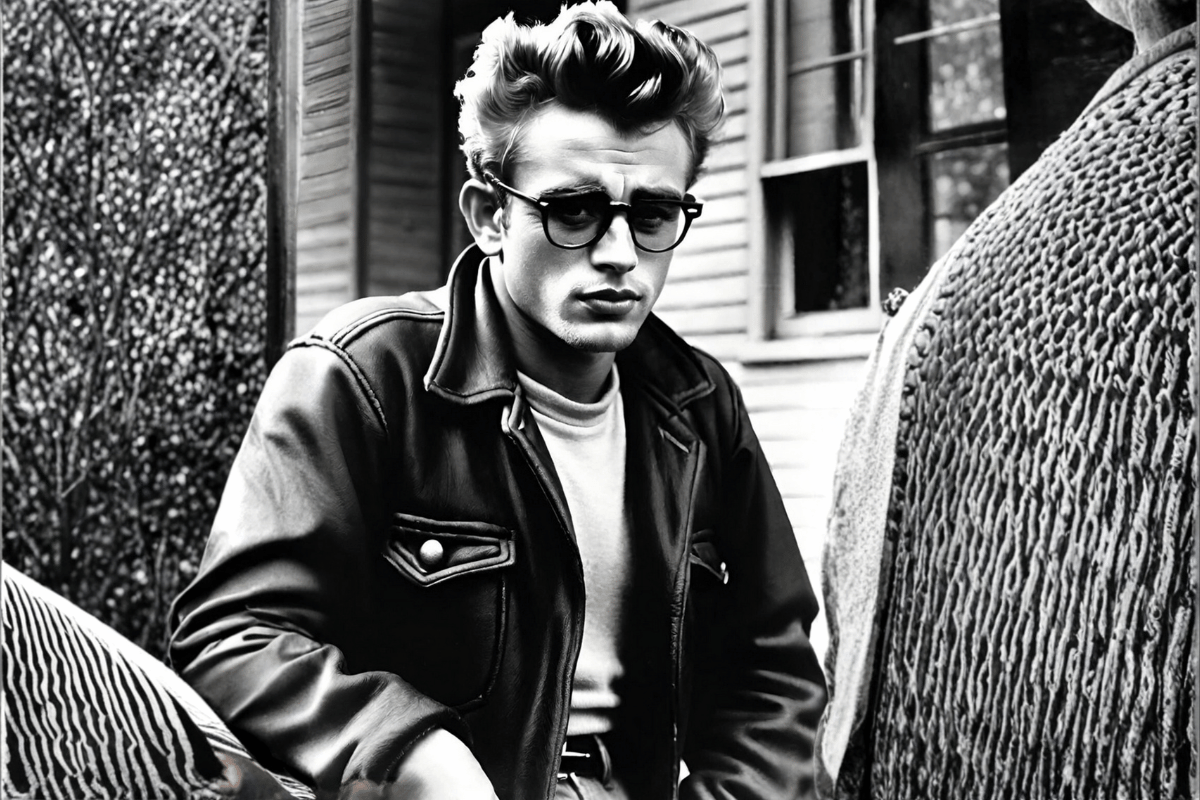
How to Style: Requires a high-shine pomade and a comb. You want visible comb lines and a structured, glossy finish.
7. Modern Quiff
Who it suits: The everyday guy.
Haircut: A sharp fade on the sides (mid or high) with a textured top. It blends the vintage silhouette with modern barbering precision.
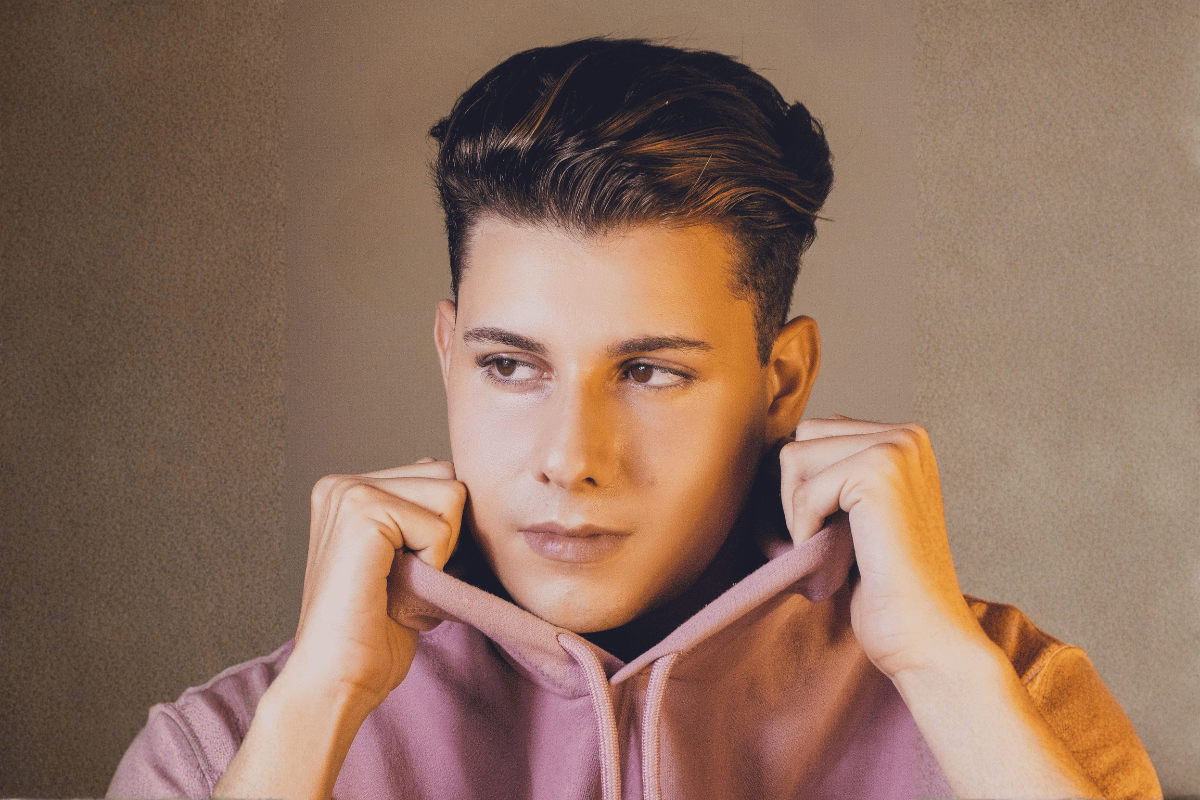
How to Style: Blow-dry for volume, then finish with a matte paste for a natural look.
8. Side-Swept Quiff / Quiff Side Part
Who it suits: Business environments and formal events.
Haircut: A hard part line is shaved or combed in. The quiff volume is pushed up and to the side rather than straight back.
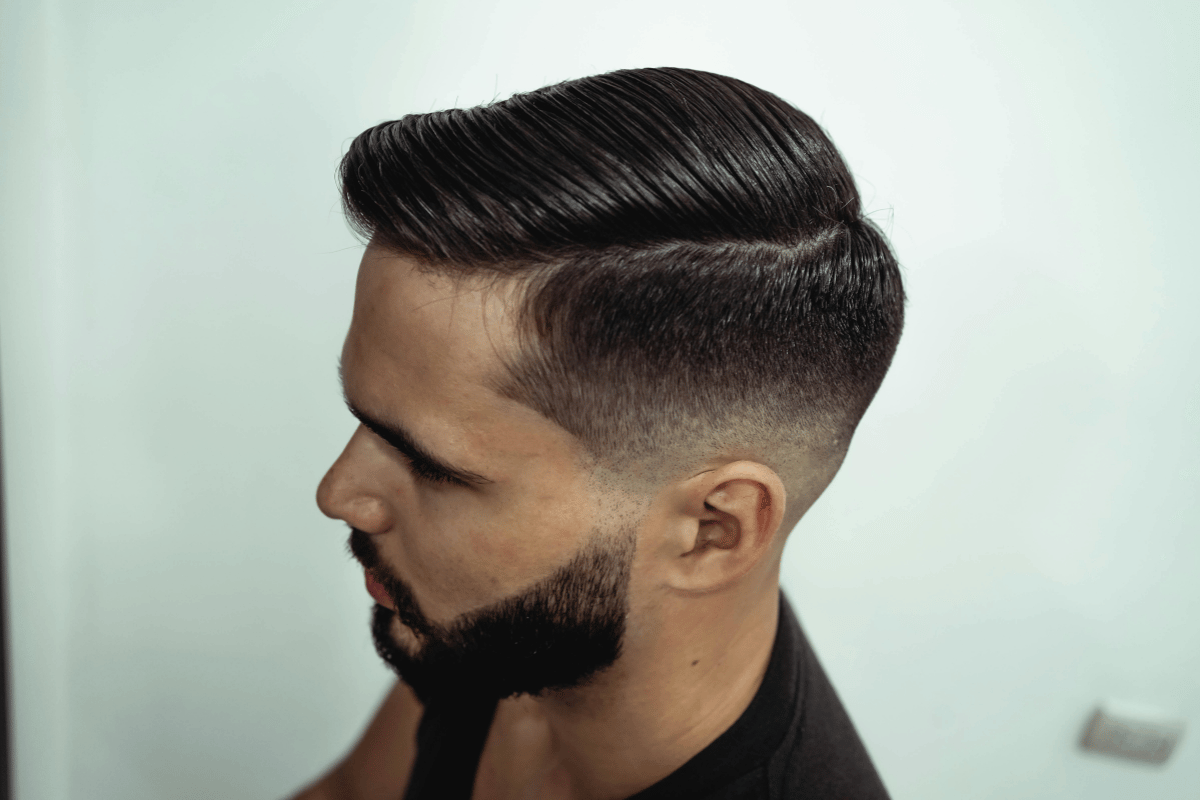
How to Style: Use a comb to define the parting. Use a blow dryer to push the forelock diagonally.
9. High-Volume / Big Quiff
Who it suits: Men with very thick, coarse hair.
Haircut: 5+ inches on top.
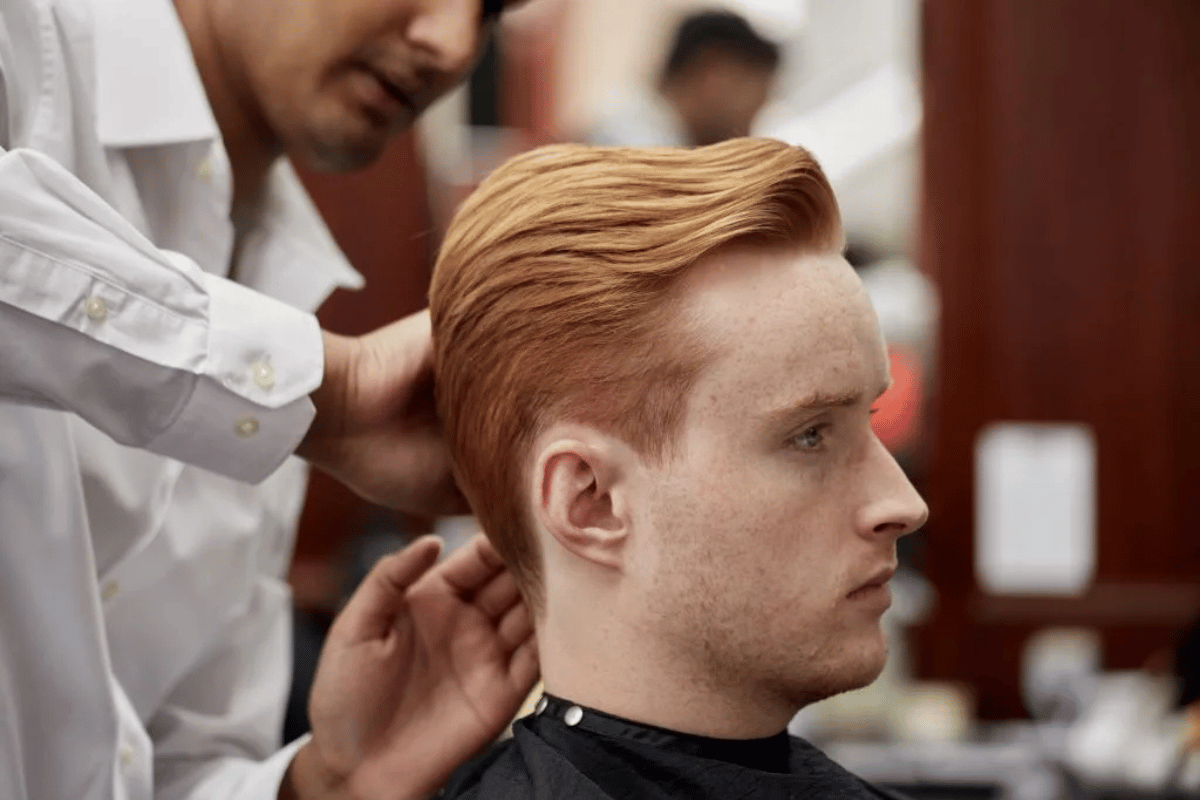
How to Style: This requires patience. You must blow-dry with a roller brush to create tension and lift at the roots. Strong-hold hairspray is essential to lock it in.
10. Undercut Quiff
Who it suits: Younger men or those wanting a sharp, edgy look.
Haircut: The sides are buzzed very short (one length) all the way up to the parting, with no fade blending. It creates a harsh contrast.
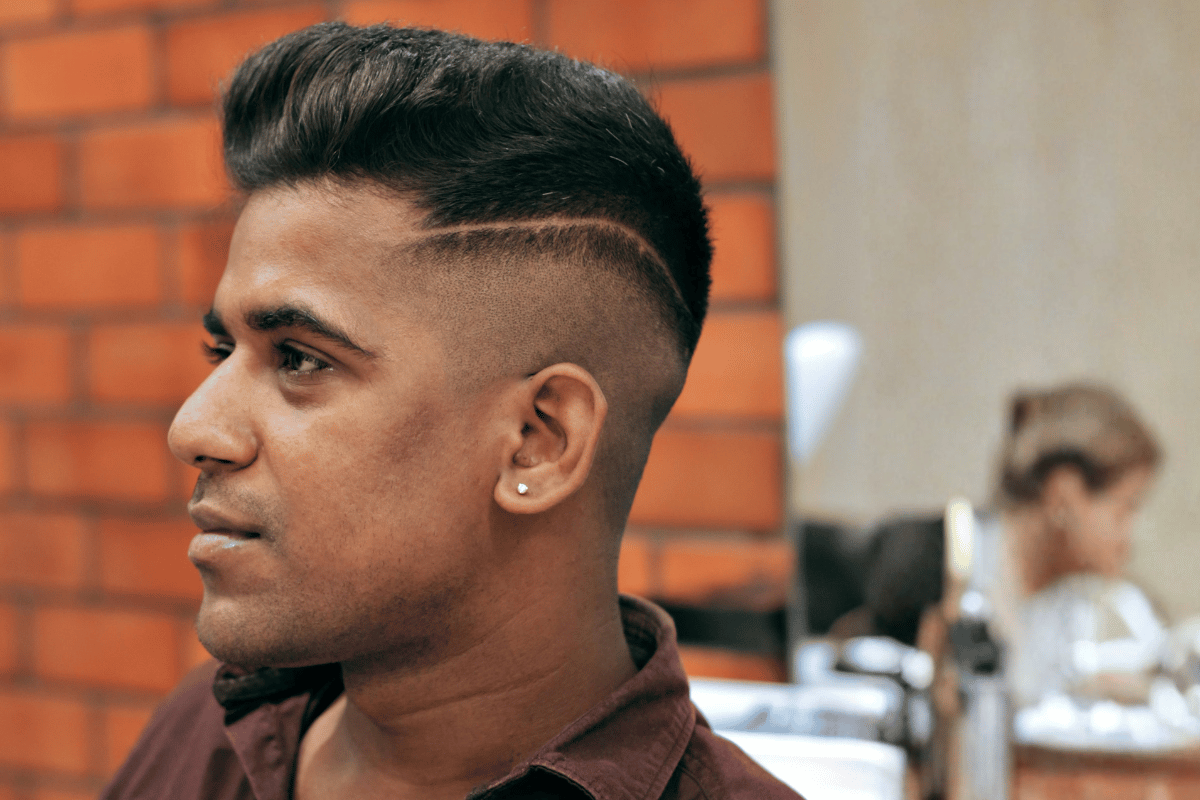
How to Style: All volume on top. Since the sides are disconnected, the top hair must be styled perfectly to avoid it hanging over the sides like a mushroom.
11. Disconnected Quiff
Who it suits: Fashion-forward styles.
Haircut: Similar to the undercut, but can feature a fade. The key is the sudden jump in length from the sides to the top.
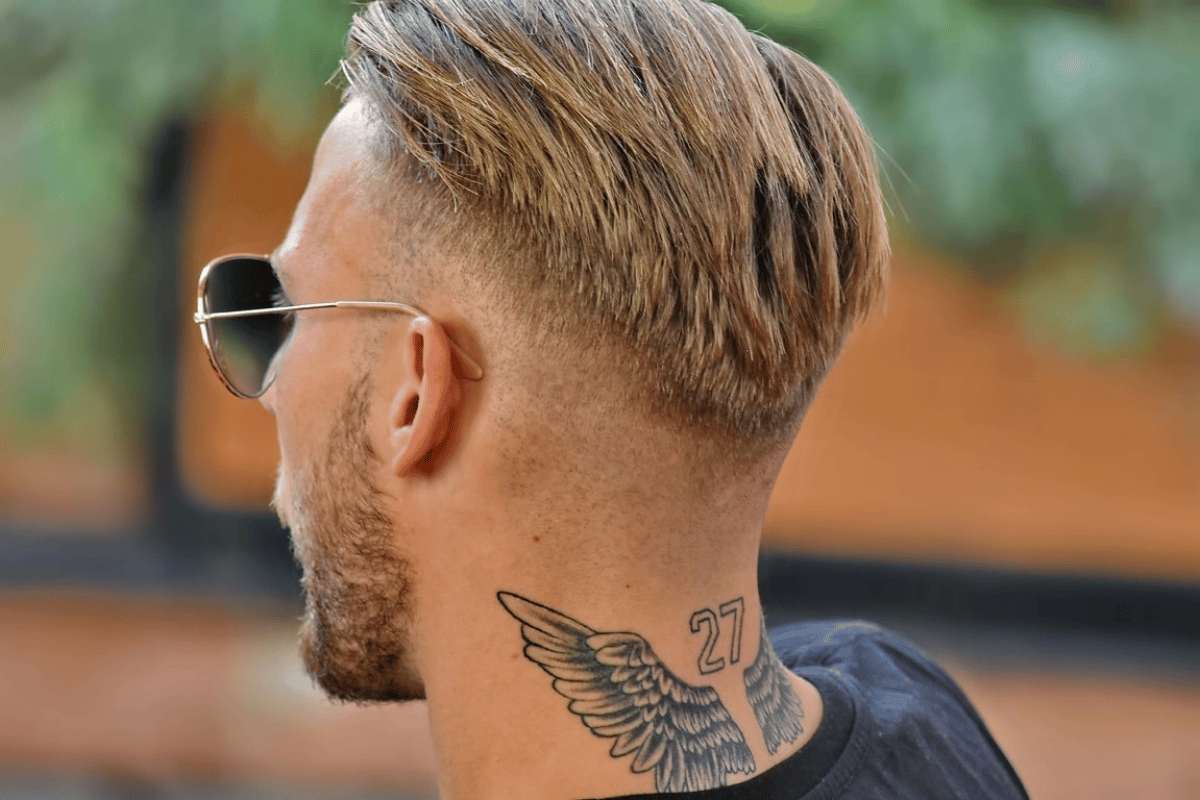
How to Style: Focus on texture and separation. Use a styling powder to get maximum lift at the roots.
12. Quiff Mullet
Who it suits: Trendsetters.
Haircut: Short sides, volume at the front, and length at the back (nape).
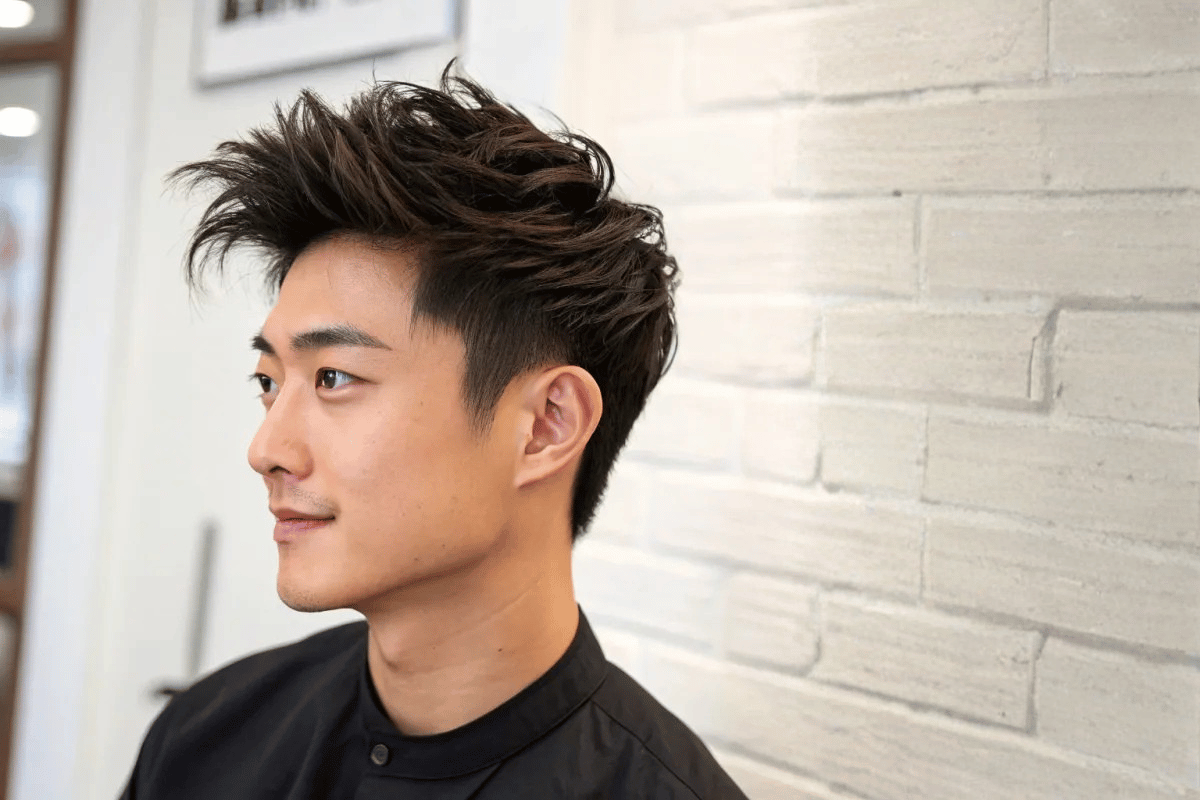
How to Style: Style the front like a messy quiff, but ensure the back hair is textured and visible.
Best Quiff Fade & Taper Options
The sides of your haircut frame the quiff. The right choice depends on your face shape and how often you visit the barber.
Low Fade + Quiff
The Look: The fade starts just above the ear. It is subtle and versatile.
Best For: Elongating a round face without looking too aggressive.
Mid Fade + Quiff
The Look: The standard modern choice. The fade starts at the temple.
Best For: Square faces. It keeps the silhouette square and masculine.
High Fade + Quiff
The Look: Bold. The fade starts near the top of the head.
Best For: Men with round faces who need to narrow their head shape, or those who want a high-contrast look.
Skin Fade + Quiff
The Look: Shaved down to the skin. High maintenance but very clean.
Best For: Thick hair types. The contrast between skin and hair makes the quiff pop.
Low Taper / Taper Fade + Quiff
The Look: Scissors or a low guard are used to clean up the hairline and sideburns only.
Best For: Corporate jobs or men who prefer a “gentleman’s cut” over a street style.
Drop Fade / Burst Fade + Quiff
The Look: The fade curves around the ear (burst) or dips low at the back (drop).
Best For: Adding flair to a standard haircut. Works exceptionally well with curly quiffs.
Fade/Taper Picker
| Option | Look | Best Face Shapes | Best Quiff Type | Maintenance Interval |
| Low Fade | Balanced | Oval, Round | Modern, Messy | 2-3 Weeks |
| Mid Fade | Modern | Square, Oval | Textured, Spiky | 2 Weeks |
| High/Skin Fade | Bold | Round, Heart | Undercut, Short | 1-2 Weeks |
| Taper | Classic | Diamond, Oblong | Classic, Wavy | 3-4 Weeks |
| Burst/Drop | Trendy | Diamond, Oval | Curly, Mullet | 2 Weeks |
Choose the Right Quiff for Your Face Shape
Balancing your facial proportions is the secret to a great haircut.
Round Face
Goal: Add height, reduce width.
The Strategy: Go for a High Volume Quiff with tight sides (High Fade). The height on top lengthens your face, while short sides prevent your head from looking wider. Avoid low tapers that leave bulk on the sides.
Oval Face
Goal: Maintain balance.
The Strategy: You hit the genetic lottery. Almost any quiff works for you. A Classic Quiff or
Side-Swept Quiff looks excellent. Just avoid covering your forehead too much.
Oblong Face
Goal: Avoid adding too much height.
The Strategy: Your face is already long. A giant quiff will make it look longer. Stick to a
Short Quiff or a Side-Swept Quiff. Keep the sides slightly longer (scissor cut or low taper) to add width.
Diamond Face
Goal: Soften angles.
The Strategy: You have wide cheekbones and a narrow forehead. A Textured Quiff with a
Low Fade works well. Avoid skin fades high up on the head, as this exposes the narrowness of your forehead.
Heart-Shaped Face
Goal: Balance a wide forehead and narrow chin.
The Strategy: A Mid-Length Quiff works well. Don’t go too short on the sides, as this accentuates the width of the forehead. A low taper is often better than a high skin fade.
Choose the Right Quiff for Your Hair Type
Straight Hair
Straight hair can be stubborn and flat. You need to create grit.
Haircut: Ask for plenty of texture/point cutting.

Style: Use a Sea Salt Spray before drying. Use a matte clay for the finish. Avoid heavy oil-based pomades that weigh hair down.
Wavy Hair
Natural waves make for the best quiffs because they have built-in volume.
Haircut: Keep the top slightly longer (4 inches) to let the wave show.
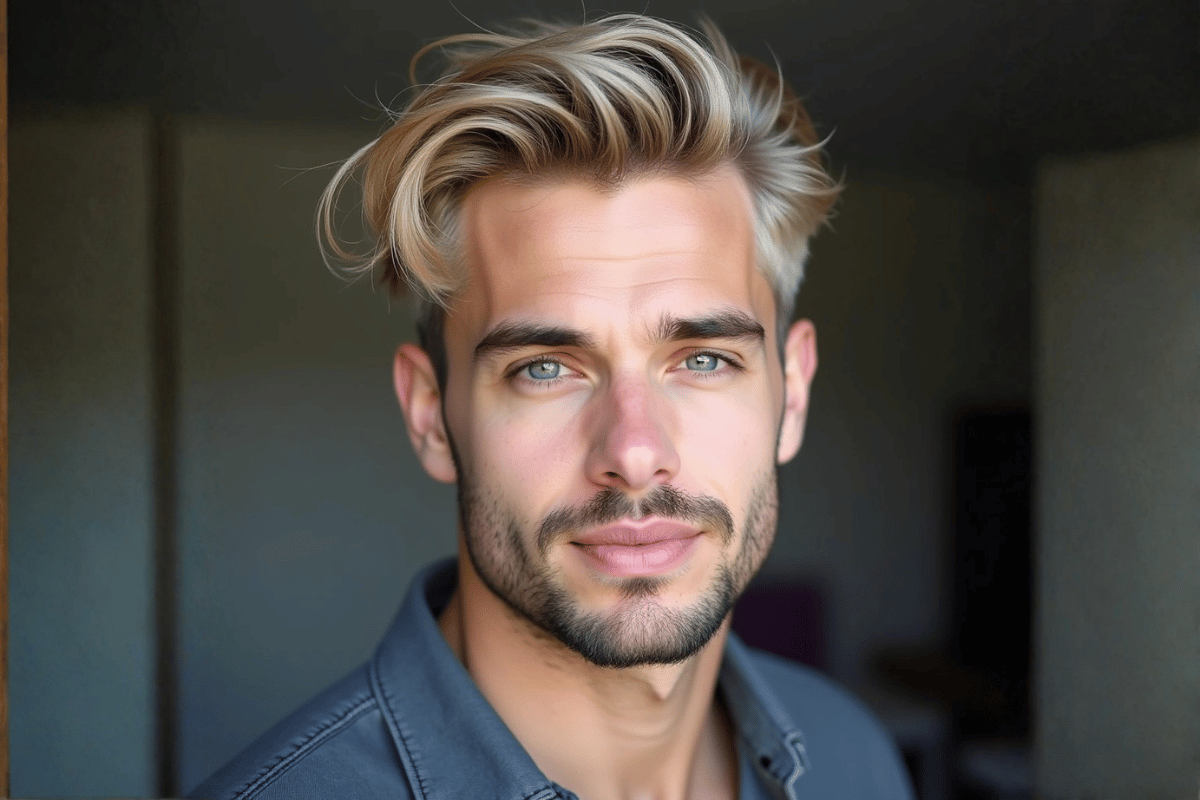
Style: Don’t over-brush. Use your fingers to rake a medium-hold paste through the hair.
Curly Hair
Haircut: You need a skilled barber who understands curl patterns. An undercut or high fade often works best to manage the bulk.

Style: Use a curl cream. If you blow-dry, use a diffuser or a low speed setting to avoid frizz.
Fine / Thin Hair
Haircut: Go shorter. A long quiff reveals the scalp. A Short Textured Quiff makes hair look denser.
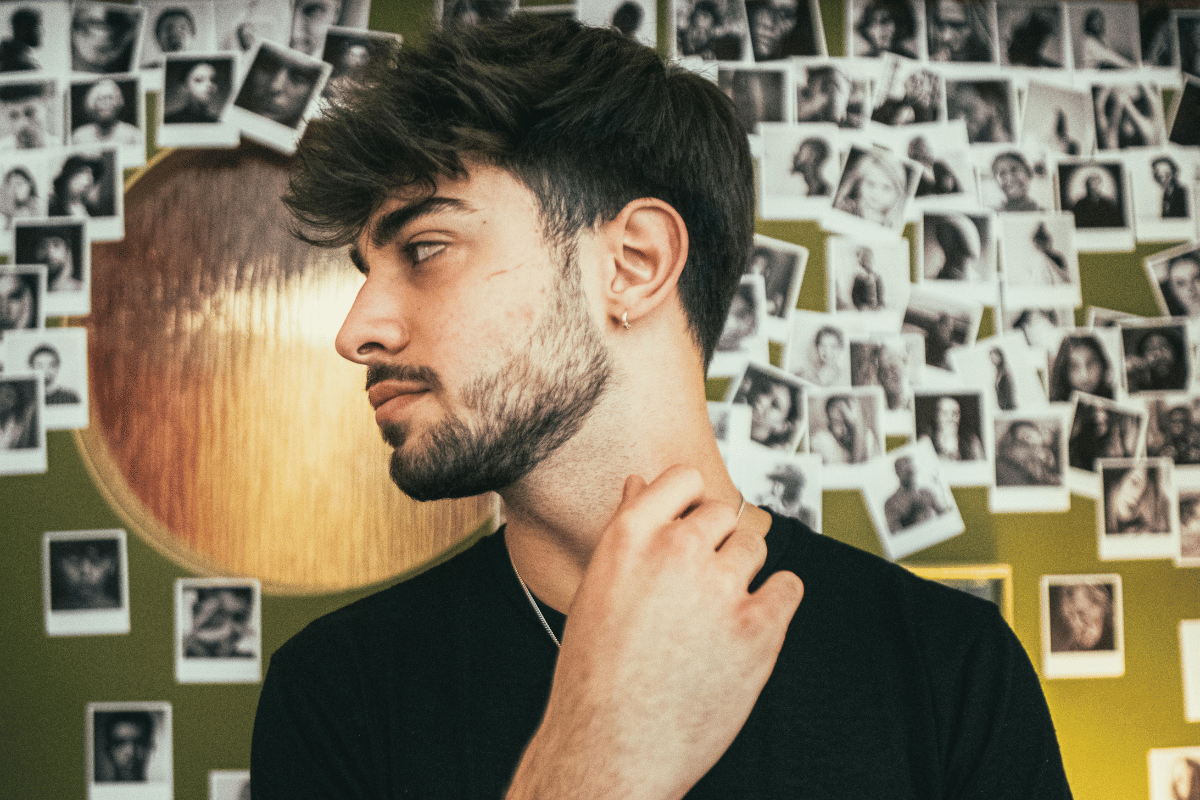
Style: Use a Texture Powder or a volumizing mousse. Avoid gels and wet-look products, which clump hairs together and expose the scalp.
Receding Hairline
Haircut: A Messy Quiff pushed slightly forward and then up.
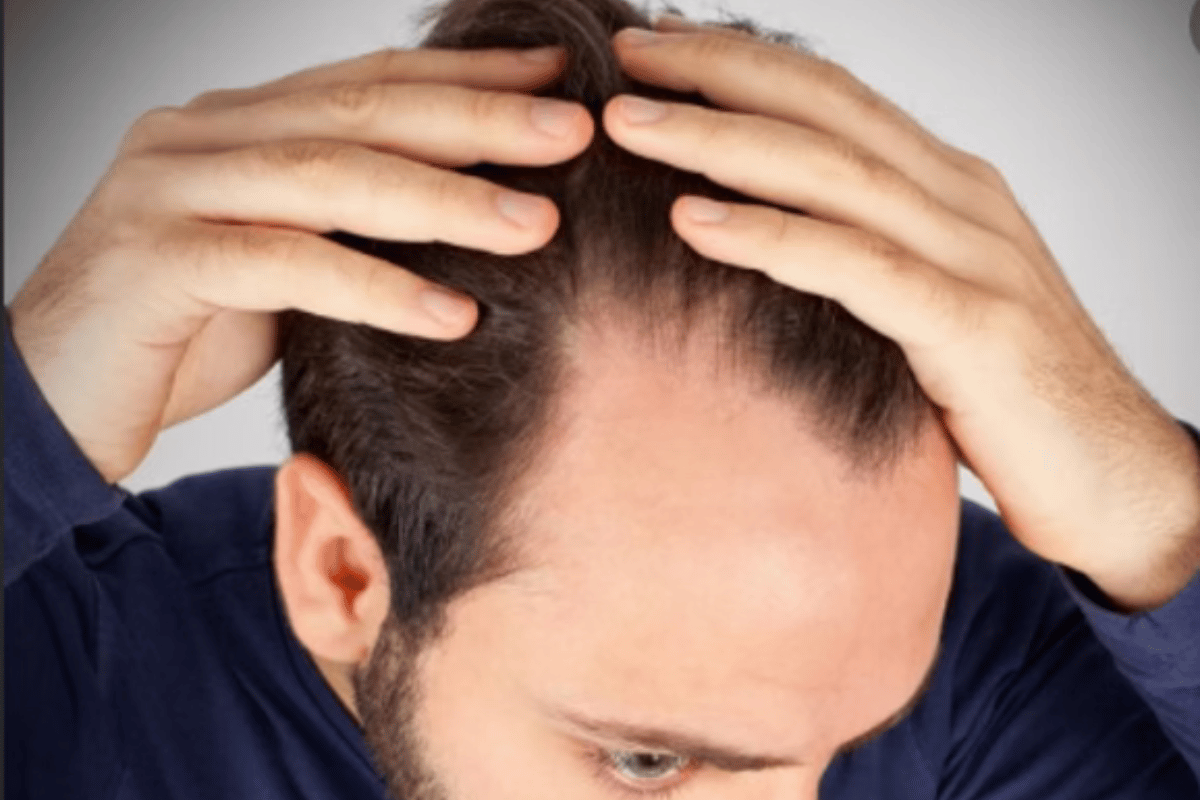
Style: Avoid the slicked-back classic quiff, which highlights the recession. Use a matte product to absorb light (shiny products reflect light and highlight thinning areas).
What to Ask Your Barber
Communication is key. Don’t just sit down and say “give me a quiff.” Use this 3-part request structure:
- The Top: “I want a textured quiff. Leave about 3-4 inches on top.”
- The Sides: “Give me a mid-fade, blended into the top.” (Or specify taper/undercut).
- The Finish: “I want it to look natural and messy, not neat.” (Or vice versa).
Pro Tip: Bring two photos. One showing the front view, one showing the side view.
Barber Request Cheat Sheet
| Style Goal | Top Length | Texture Request | Side Option | Finish Request |
| Messy/Casual | 3-4 inches | “Point cut for texture” | Mid Fade | “Choppy & natural” |
| Classic/Work | 4-5 inches | “Leave it blunt/solid” | Low Taper | “Clean & polished” |
| Edgy/Sharp | 2-3 inches | “Texturize heavily” | High Skin Fade | “Sharp contrast” |
| Curly | 4 inches | “Trim to shape curls” | Drop Fade | “Defined curls” |
Common Quiff Problems (And Fixes)
- The Quiff Flops: Your hair was likely too wet when you applied the product, or you didn’t blow-dry the roots enough. Fix: Dry hair completely and use a pre-styler.
- It Looks Greasy: You used an oil-based pomade or too much wax. Fix: Switch to a water-based clay or use less product.
- Too Much Frizz: You over-dried curly hair or brushed it when dry. Fix: Use a diffuser and lower heat settings.
- Uneven Shape: Your barber didn’t blend the sides into the top correctly (the “corners” are too heavy). Fix: Ask your barber to blend the transition next time.
Quiff vs Pompadour vs Side Part vs Crew Cut
- Quiff: Casual, front-heavy volume. (Difficulty: Medium)
- Pompadour: Formal, all-over volume, high maintenance. (Difficulty: High)
- Side Part: Conservative, flat, easy to style. (Difficulty: Low)
- Crew Cut: Short all over, fuzzy texture. (Difficulty: Very Low)
Maintenance: How Often to Trim
Because the quiff relies on the contrast between short sides and a long top, you notice when it grows out.
- Skin Fades: Require a trim every 2 weeks to keep the fade sharp.
- Standard Fades: Every 3 weeks.
- Tapers/Scissor Cuts: Every 4 to 6 weeks.
- The Top: You can let the top grow for 6-8 weeks, but if it gets too heavy, it will start to flop. Ask your barber to “take the weight out” without removing length.
FAQ
What is a quiff haircut?
A quiff is a men’s hairstyle where the hair is kept long on top and shorter on the sides. The front section (forelock) is styled upward and backward to create height and volume. It differs from a pompadour by being more textured and casual.
How long does hair need to be for a quiff?
Ideally, you need between 3 to 5 inches of hair on top. If it is shorter than 2 inches, it will be a spiky cut rather than a quiff. If it is longer than 6 inches, it requires significant blow-drying to hold the volume.
Can you do a quiff with curly hair?
Yes. A curly quiff looks excellent and is very trendy. Keep the sides short (fade or undercut) to contrast with the curls on top. Use a curl-enhancing cream and avoid brushing out the curls, which causes frizz.
Is a quiff good for a receding hairline?
It can be. A textured, messy quiff is better than a slicked-back one. By keeping the hair textured and pushing it slightly forward before lifting it up, you can obscure the temples. Avoid tight, shiny styles that pull hair back and expose the recession.
Is a quiff good for a round face?
Yes, it is one of the best haircuts for round faces. The height of the quiff elongates the face shape, making it appear more oval and balanced. Pair it with tight sides (high fade) to reduce width.
What is the best product for a messy quiff?
A matte clay or paste is best. These products provide strong hold without the shine, allowing for a natural, gritty texture. Sea salt spray is also an excellent pre-styler to add grip before applying the clay.
