December 25, 2025
Featured Snippet Answer
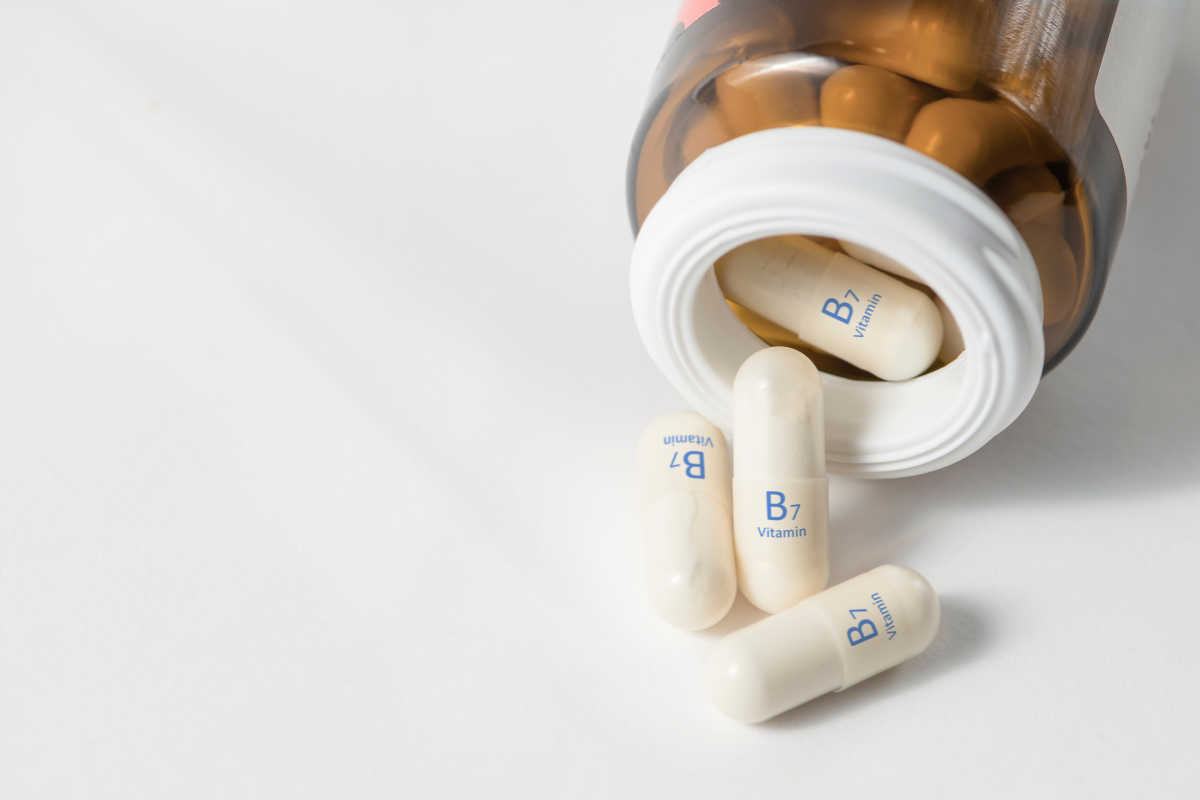
Biotin stays in the bloodstream for several hours, but high doses can affect certain blood test results for up to 48 to 72 hours after your last dose.
What Is Biotin and Why Does Its Duration Matter?
Biotin, also known as vitamin B7, is a water-soluble vitamin that supports metabolism, energy production, and keratin formation for hair, skin, and nails. Because biotin is commonly taken in high doses for hair growth, understanding how long it stays in your system is important, especially if you are undergoing medical testing.
Even though biotin does not remain in the body long term, its presence can still interfere with laboratory tests.
How Biotin Is Absorbed and Processed by the Body
After you take biotin, it is absorbed in the small intestine and enters the bloodstream. From there, it circulates to tissues where it supports enzyme activity and metabolic functions.
Because biotin is water soluble:
- It is not stored in fat tissue
- Excess amounts are filtered by the kidneys
- Surplus biotin is excreted through urine
This is why biotin does not build up in the body like vitamins A, D, E, or K.
How Long Does Biotin Stay in Your Bloodstream?
For most people:
- Biotin remains active in the bloodstream for several hours
- Blood levels rise quickly after supplementation
- Levels begin to decline once the kidneys start filtering it out
However, frequent or high-dose supplementation can keep biotin levels elevated enough to affect lab tests even after stopping intake.
Why Biotin Can Affect Blood Test Results
Many laboratory tests use biotin-based technology to measure hormone and enzyme levels. When excess biotin is present in the blood, it can interfere with these assays and produce inaccurate results.
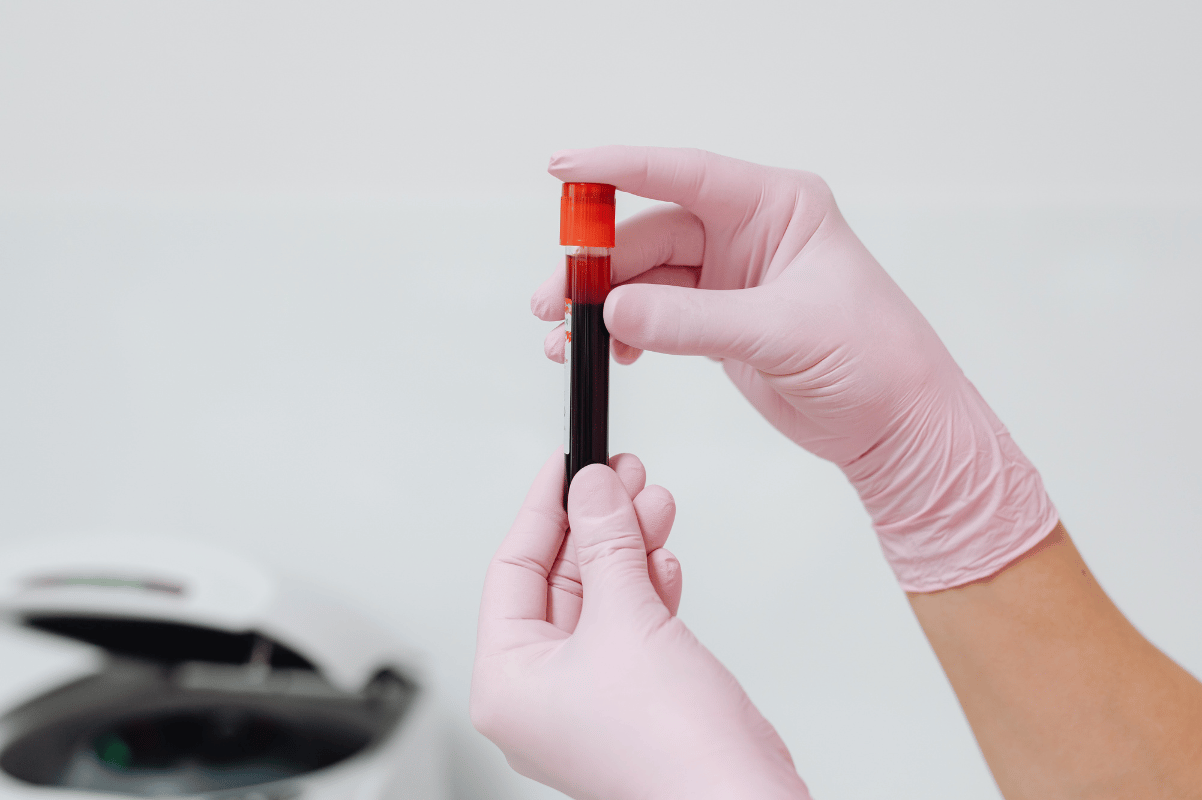
This interference does not mean biotin is harmful, but it can cause misleading test outcomes.
Blood Tests Commonly Affected by Biotin
Biotin is most known for interfering with:
- Thyroid function tests
- Cardiac marker tests such as troponin
- Hormone panels
- Certain vitamin and mineral tests
In some cases, biotin interference has led to false readings that appear normal or abnormal when they are not.
How Long Can Biotin Interfere With Blood Tests?
Although biotin itself leaves the bloodstream relatively quickly, test interference can last:
- 24 hours for low to moderate doses
- 48 to 72 hours for high-dose supplementation
People taking 5,000 mcg to 10,000 mcg or more per day are more likely to experience test interference.
When Should You Stop Taking Biotin Before a Blood Test?
Most laboratories and healthcare providers recommend:
- Stopping biotin at least 48 hours before testing
- Waiting up to 72 hours if taking high doses

Always inform your doctor or lab technician if you are taking biotin, even if you stopped recently.
For more details, see our guide on how long to stop biotin before a blood test.
Does Biotin Stay Longer in Some People?
Yes. Biotin may stay longer or affect tests more noticeably in people who:
- Take very high doses daily
- Have kidney issues
- Take multiple supplements containing biotin
- Use biotin-fortified hair or nail products along with oral supplements
This is why supplement labels should always be checked carefully.
Is It Safe to Take Biotin Regularly?
For most healthy individuals, biotin is safe when taken in appropriate amounts. The main concern is not toxicity, but test interference and unnecessarily high dosing.
You can learn more about safety considerations in our article on biotin side effects.
Biotin does not remain in your body for long periods, but its effects on blood tests can last several days. If you take biotin regularly and need lab work, timing and communication with your healthcare provider are essential.
For a complete overview of dosage, benefits, and safety, visit our pillar guide on biotin for hair growth.
