December 25, 2025
Featured Snippet Answer
Most adults need about 30 micrograms of biotin daily. For hair growth, supplements commonly contain 2,500 to 5,000 micrograms, which is considered safe for most healthy individuals.
What Is the Recommended Daily Biotin Intake?
Biotin, also known as vitamin B7, is required in small amounts for normal metabolic function. It helps the body convert carbohydrates, fats, and proteins into energy and supports enzyme activity throughout the body.
The recommended daily intake of biotin for adults is approximately 30 micrograms. This amount is enough to prevent deficiency and support basic bodily functions. However, this level may not be sufficient for people experiencing hair thinning or brittle hair related to low biotin intake.
Many hair growth supplements contain significantly higher doses because biotin is water soluble. Excess biotin is typically filtered by the kidneys and excreted through urine, which reduces the risk of long-term accumulation.
How Much Biotin Is Commonly Used for Hair Growth?
Most hair growth supplements fall within the following dosage ranges:
- 2,500 mcg for mild hair support
- 5,000 mcg for moderate hair concerns
- 10,000 mcg for advanced supplementation
These doses are popular because they are well tolerated by most people and align with amounts used in many commercial hair supplements.

It is important to understand that higher doses do not always lead to better or faster results. Hair growth is influenced by many factors, including overall nutrition, hormone balance, stress levels, genetics, and scalp health.
To better understand timelines and expectations, see how long biotin takes to work.
What Is Considered a High Dose of Biotin?
A daily dose above 10,000 micrograms is generally considered high. Some individuals take 20,000 micrograms or more, but this should only be done under medical supervision.
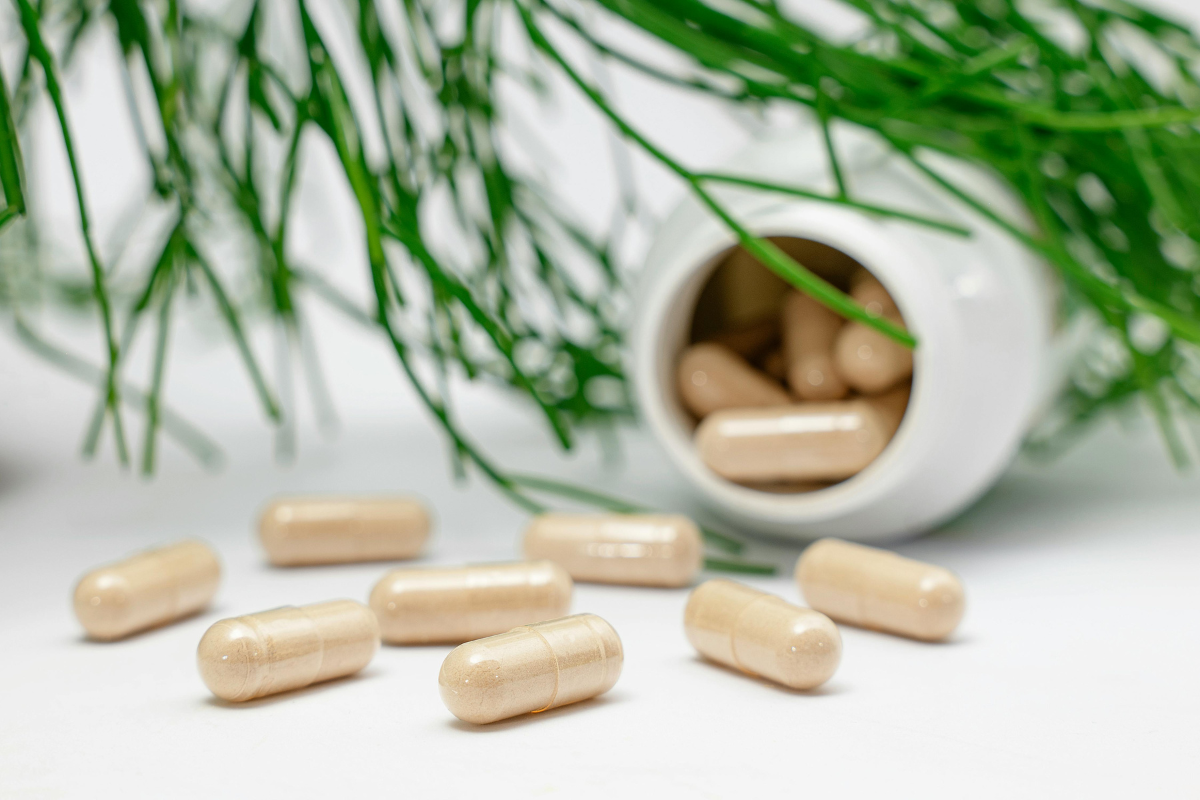
Very high doses of biotin may increase the risk of unwanted effects, particularly when taken long term.
Possible Risks of High-Dose Biotin
High-dose biotin may increase the likelihood of:
- Acne or skin breakouts
- Digestive discomfort
- Headaches
- Blood test interference
Biotin is known to interfere with certain lab tests, especially thyroid and cardiac tests. This does not mean biotin is unsafe, but timing and dosage matter.
You can learn more about this in biotin side effects.
Who Should Be Cautious With Biotin Dosage?
You should speak with a healthcare professional before taking higher doses of biotin if you:
- Are pregnant or breastfeeding
- Have diabetes
- Have thyroid conditions
- Take heart or blood pressure medication
- Undergo regular blood testing
These individuals may still be able to take biotin, but dosage and timing should be guided by a professional.
Does Taking More Biotin Make Hair Grow Faster?
No. Hair grows at an average rate of about half an inch per month. Biotin supports hair strength and keratin production, but it does not override natural hair growth cycles.
Taking more biotin than your body needs will not force faster growth. In some cases, excessive dosing may increase side effects without improving results.
Consistency and proper dosing are more important than megadoses.
How to Choose the Right Biotin Dose for You
For most people:
- Start with 2,500 to 5,000 mcg daily
- Take biotin consistently for at least three months
- Avoid stacking multiple biotin-containing supplements
If you do not notice improvement after several months, the cause of hair thinning may not be related to biotin deficiency.
Biotin can be a helpful supplement for hair growth when used at the right dose and for the right reasons. Understanding recommended intake, realistic expectations, and safety considerations helps you use biotin effectively.
For a complete overview of how biotin supports hair health, visit biotin for hair growth.
