November 6, 2026
Opening a barbershop is an exciting step. You have the skills, a loyal set of clients and a vision for the space. Then the equipment quote arrives. Hydraulic chairs, styling stations, mirrors, shampoo bowls, clippers, trimmers and waiting-area furniture can add up to a serious sum before you have cut a single head of hair.
You do not have to buy everything outright. Many new shop owners mix buying, leasing and renting to get started without draining their savings. The right choice depends on how often you use an item, how long it will last and how much cash you need to keep available.
The Equipment a Barbershop Needs
Before deciding how to pay, list what your shop actually needs. A small barbershop generally starts with four groups of equipment.
Core furniture
- Barber chairs, usually hydraulic and reclining
- Styling stations with storage and mirrors
- Shampoo bowls and backwash units, if offered services require them
- Waiting-area seating and a reception desk
Tools
- Clippers and trimmers, with backup sets for each barber
- Straight razors, shavers, scissors and thinning shears
- Combs, brushes, sectioning clips and hair dryers
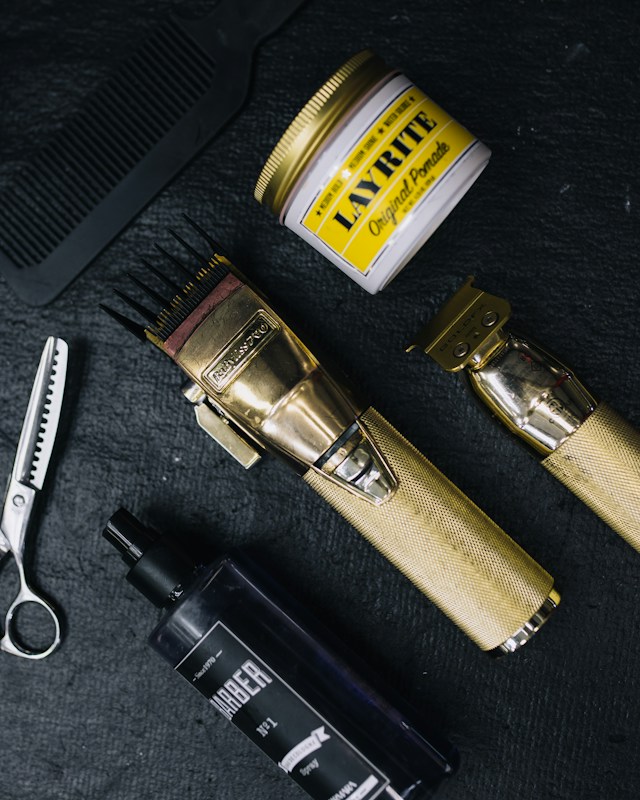 Photo by Nate Johnston on Unsplash
Hygiene and comfort
- Appropriate disinfectants, cleaning containers and sharps disposal
- Hot towel cabinets, if you offer hot towel services
- Capes, neck strips, towels and laundry arrangements
Business essentials
- Point-of-sale system, card reader and appointment booking system
- Lighting, sound system and retail shelving
Start with the services on your opening-day menu. A shampoo unit or hot towel cabinet may be worthwhile later, but there is little reason to pay for either before clients are booking those services.
Option 1: Buying Outright
Buying gives you full ownership and no ongoing payments. It works well for personal tools such as clippers, trimmers and scissors, which barbers usually prefer to own. Low-cost items like combs, capes and towels also make sense to buy. Durable furniture can be a good purchase if you expect to use it for years.
The downside is the upfront cost. Buying everything at once may leave too little money for rent, marketing and slower first months. Used chairs can save money, but test the hydraulic lift, check the upholstery and ask whether replacement parts are available before paying.
Option 2: Leasing
Leasing spreads the cost of expensive equipment over a fixed term, often two to five years. It can suit barber chairs, shampoo units and styling stations, especially when the monthly payment is easier to manage than a large purchase.
Check the total amount payable, deposit, maintenance responsibilities, early-exit fees and end-of-term conditions. Some leases offer a purchase option; others require the equipment back. Do not assume you will own the chairs after the final monthly payment.
 Photo by Redd Francisco on Unsplash
For example, a chair quoted at CAD $1,500 costs CAD $4,500 for three chairs bought outright. If a hypothetical lease for those chairs costs CAD $160 a month for 36 months, you would pay CAD $5,760 before any other fees. Compare the complete figure, not only the monthly payment.
Option 3: Renting
Renting gives you equipment for a short period without a long commitment. It is useful for pop-up shops at festivals, extra chairs during busy seasons, testing a towel warmer before buying or replacing a broken chair while repairs are made.
Some salon and barbershop rental suppliers use online booking and rental software, allowing customers to check availability, reserve equipment and arrange delivery. For a closer look at one option, see this tool.
Ask about delivery charges, deposits, damage liability and return dates. Confirm who sets up the chair and whether collection is included. A rental that arrives late or needs extra transport can disrupt appointments. If you repeatedly rent the same item, add those invoices together; buying or leasing may be cheaper.
How to Decide for Each Item
Ask three questions before committing:
- How often will I use it? Daily-use equipment is usually better bought or leased.
- How long will it last? Long-life furniture can justify a purchase or lease. Replaceable small tools generally suit buying.
- How much cash do I have? Keep enough aside for expenses that cannot wait, including rent and supplies.
A typical starting mix is to buy clippers, trimmers, scissors, combs, capes and towels; lease chairs, shampoo bowls and styling stations if the terms are sensible; and rent extra chairs for events or temporary demand.
Budgeting and Financing
Your budget needs to cover more than equipment. Include renovations, rent deposits, licences, insurance, opening stock, wages, marketing and at least three to six months of essential operating expenses where possible. Build your forecast around realistic bookings, not a fully booked shop from day one.
In Canada, the Business Development Bank of Canada offers articles and tools on budgeting, financing and cash flow. Use them to estimate both your opening costs and the monthly bills that continue after you launch.
When comparing financing quotes, note the interest or finance charges, taxes, delivery and installation. A low monthly payment is no bargain if penalties make it difficult to change locations or close an unused station. To check affordability, divide the monthly equipment bill by the amount left from each haircut after direct costs. That shows roughly how many appointments you need to cover it.
Caring for Your Equipment
 Photo by Barney Goodman on Unsplash
Whatever you buy, lease or rent, regular care protects your investment and your clients.
- Clean tools and disinfect them between clients according to local health rules.
- Oil clipper blades as directed and replace dull blades.
- Check hydraulic chairs for leaks and smooth operation.
- Launder towels and capes using appropriate cleaning procedures.
- Keep maintenance records for leased and rented equipment.
Cleaning and disinfection are not the same as sterilisation. A UV cabinet does not replace the procedures required for reusable tools. Check your local public health guidance before opening.
Building Your Service Menu
Once your equipment is in place, decide which services justify the additional tools and training. Classic cuts and fades form the foundation, while beard grooming, hot towel shaves and scalp treatments may increase the value of a visit if clients want them.
Beard services also give you a chance to offer practical advice. Clients growing a beard for the first time often have questions about shaping and patience. This guide on beard growth speed for Canadian men is a useful resource to share when discussing realistic growth expectations.
Planning for Growth
As bookings increase, you may want another chair, a new barber or a second location. Track how many hours each chair is occupied before adding capacity. Review lease terms if you expect to move, and build relationships with suppliers who can replace equipment quickly.
Online booking helps you spot busy days and unused slots. Rentals can help test demand for a temporary extra station before you commit to another permanent chair. If that station stays empty most weekdays, more equipment probably will not improve revenue yet.
Common Mistakes to Avoid
- Spending all your savings on equipment and leaving no cash for slower months
- Buying the cheapest chairs without checking comfort, quality or spare parts
- Signing long leases without understanding the total cost and exit terms
- Ignoring routine maintenance or replacement clipper blades
- Adding expensive services before there is enough demand
Conclusion
Starting a barbershop does not require buying every piece of equipment outright. Own the tools you rely on daily, compare buying and leasing for major furniture, and use rentals for events or short-term needs. Choose the arrangement that leaves you with reliable equipment and enough cash to keep the shop running.Starting a barbershop in Canada? Learn which equipment to buy, lease or rent, how to budget for chairs and tools, and what to check before signing a lease.
