
Featured Snippet Answer
Biotin is a B vitamin that supports keratin production and hair strength. It may help improve hair growth in people with low biotin levels when taken consistently and at appropriate doses.
What Is Biotin?
Biotin, also known as vitamin B7, is a water-soluble vitamin that helps the body convert food into energy. It plays an important role in supporting enzymes involved in fat, carbohydrate, and protein metabolism.
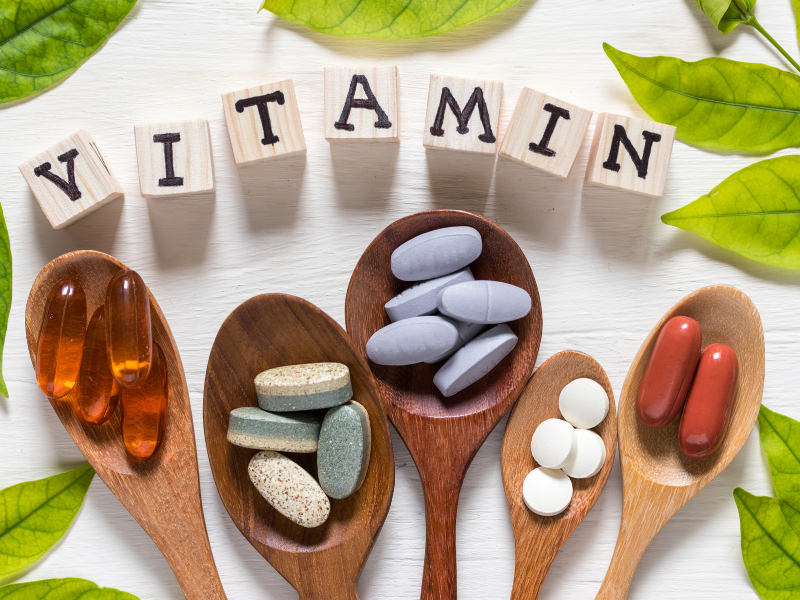
Biotin is also essential for keratin production. Keratin is the primary structural protein in hair, skin, and nails, which is why biotin is commonly used in hair growth supplements.
Is Biotin Effective for Hair Growth?
Biotin can support hair health, but it is not a guaranteed solution for everyone. Its effectiveness depends on the underlying cause of hair thinning or hair loss.
Biotin may be most helpful if:
- You have a biotin deficiency
- Your hair is brittle or weak
- Your diet lacks biotin-rich foods
If hair loss is caused by genetics, hormones, or medical conditions, biotin alone may provide limited improvement.
How Much Biotin Should You Take Daily?
The recommended daily intake of biotin for adults is approximately 30 micrograms. This amount supports normal metabolic function.
Many hair growth supplements contain higher doses, typically between 2,500 and 5,000 micrograms. These doses are generally considered safe for healthy individuals.
Higher doses do not guarantee better results. You can learn more in how much biotin should you take daily for hair growth.
How Long Does Biotin Take to Work?
Biotin does not produce immediate results. Hair grows slowly and follows natural growth cycles.
Most people notice changes within:
- 4 to 6 weeks for nails
- 8 to 12 weeks for hair texture and strength
- 3 to 6 months for visible thickness in some cases

Consistency is essential. Learn more in how long does biotin take to work for hair growth.
What Are the Benefits of Biotin for Hair, Skin, and Nails?
Biotin may help:
- Strengthen hair strands
- Reduce hair breakage
- Support nail strength
- Improve skin barrier function
These benefits are more noticeable in people with low biotin levels.
What Are the Side Effects of Too Much Biotin?
Biotin is generally safe, but high doses may cause side effects in some people.
Possible side effects include:
- Acne or skin breakouts
- Digestive discomfort
- Headaches
- Inaccurate blood test results
You can read more about safety concerns in what are the side effects of too much biotin.
How Long Does Biotin Stay in Your System?
Because biotin is water soluble, it does not stay in the body long term. It is absorbed, used by the body, and excess amounts are excreted through urine.
However, high doses can affect blood test results for up to 48 to 72 hours. Learn more in how long does biotin stay in your system.
When Should You Stop Biotin Before Blood or Thyroid Tests?
Biotin can interfere with certain lab tests, especially thyroid and cardiac tests.
Most healthcare providers recommend:
- Stopping biotin 48 hours before testing
- Waiting up to 72 hours if taking high doses
This topic is covered in detail in how long should you stop biotin before a blood or thyroid test.
Biotin vs Other Hair Supplements
Biotin is often compared to other hair supplements such as collagen.
Biotin supports keratin production, while collagen supports hair structure and scalp health. They are not substitutes and may work best together.
For a detailed comparison, see biotin vs collagen for thinning hair.
Who Should Be Cautious When Taking Biotin?
You should consult a healthcare professional before taking biotin if you:
- Are pregnant or breastfeeding
- Have thyroid conditions
- Have diabetes
- Take heart or blood pressure medication
- Undergo frequent blood testing
How to Use Biotin for Best Results
For best results:
- Take biotin consistently each day
- Avoid excessive dosing
- Pair supplementation with a balanced diet
- Manage stress and maintain scalp health
Biotin works best as part of an overall hair care and nutrition strategy.
Biotin is a supportive nutrient, not a miracle cure. When used correctly, it can help strengthen hair and support healthy growth, especially in people with low biotin levels. Understanding proper dosage, realistic timelines, and safety considerations is key to using biotin effectively.
Explore the full topic in the supporting guides: